











wealthtrend
  • Home
  • Top News
  • Global

    The Global Interest Rate Turning Point: How Central Banks Are Changing Their Policies

    The New Shape of Global Trade and Finance: How Supply Chains and Currencies Are Moving

    The Rise of Digital Money:

    Finance in a Time of Geopolitical Tension:

    The New Shape of Work: How Technology Is Changing U.S. Jobs

    The New Forces Driving Global Markets:Technology, Demographics, and the Rise of Emerging Economies

    Global Payments at an Inflection Point: How Infrastructure, Regulation, and Geopolitics Are Rewriting the Future of Money

  • Asia-Pacific
    Japan’s Slow but Steady Recovery: How an Aging Nation Is Searching for New Growth

    Japan and South Korea: Comparative Economic Analysis and Future Prospects

    Japan’s Slow but Steady Recovery: How an Aging Nation Is Searching for New Growth

    South Korea’s Economy in Transition: Challenges, Opportunities, and the Path Ahead

    Japan’s Slow but Steady Recovery: How an Aging Nation Is Searching for New Growth

    South Korea’s Economic Transformation: From Manufacturing to Technology and Services

    Japan’s Slow but Steady Recovery: How an Aging Nation Is Searching for New Growth

    Japan’s Slow but Steady Recovery: How an Aging Nation Is Searching for New Growth

    Japan’s Slow but Steady Recovery: How an Aging Nation Is Searching for New Growth

    The Rise of Asia as the Next Global Financial Center

  • Europe

    The Social Foundations of Economic Stability: How France and Germany Are Managing Inequality, Welfare, and the Future of Work

    The Energy Transition Challenge: How France and Germany Are Rebuilding Their Economic Power Through Green Transformation

    France and Germany in a Shifting Global Economy: How Both Countries Are Rebuilding Their Competitiveness

    Germany’s Economy at a Turning Point: Slow Growth, Industrial Pressure, and the Search for a New Future

    France’s Economy in a Time of Slow Growth and Social Pressure

    The New Monetary Landscape of Europe: How the Eurozone Is Redefining Its Financial Future

  • viewpoint
  • America
  • Europe and America
wealthtrend
  • Home
  • Top News
  • Global

    The Global Interest Rate Turning Point: How Central Banks Are Changing Their Policies

    The New Shape of Global Trade and Finance: How Supply Chains and Currencies Are Moving

    The Rise of Digital Money:

    Finance in a Time of Geopolitical Tension:

    The New Shape of Work: How Technology Is Changing U.S. Jobs

    The New Forces Driving Global Markets:Technology, Demographics, and the Rise of Emerging Economies

    Global Payments at an Inflection Point: How Infrastructure, Regulation, and Geopolitics Are Rewriting the Future of Money

  • Asia-Pacific
    Japan’s Slow but Steady Recovery: How an Aging Nation Is Searching for New Growth

    Japan and South Korea: Comparative Economic Analysis and Future Prospects

    Japan’s Slow but Steady Recovery: How an Aging Nation Is Searching for New Growth

    South Korea’s Economy in Transition: Challenges, Opportunities, and the Path Ahead

    Japan’s Slow but Steady Recovery: How an Aging Nation Is Searching for New Growth

    South Korea’s Economic Transformation: From Manufacturing to Technology and Services

    Japan’s Slow but Steady Recovery: How an Aging Nation Is Searching for New Growth

    Japan’s Slow but Steady Recovery: How an Aging Nation Is Searching for New Growth

    Japan’s Slow but Steady Recovery: How an Aging Nation Is Searching for New Growth

    The Rise of Asia as the Next Global Financial Center

  • Europe

    The Social Foundations of Economic Stability: How France and Germany Are Managing Inequality, Welfare, and the Future of Work

    The Energy Transition Challenge: How France and Germany Are Rebuilding Their Economic Power Through Green Transformation

    France and Germany in a Shifting Global Economy: How Both Countries Are Rebuilding Their Competitiveness

    Germany’s Economy at a Turning Point: Slow Growth, Industrial Pressure, and the Search for a New Future

    France’s Economy in a Time of Slow Growth and Social Pressure

    The New Monetary Landscape of Europe: How the Eurozone Is Redefining Its Financial Future

  • viewpoint
  • America
  • Europe and America
wealthtrend
Home Asia-Pacific

A number of data point to the Japanese government intervention in the currency market after the “5 trillion” still depends on the United States

June 7, 2024
in Asia-Pacific, Financial express, Global, Top News, viewpoint
A number of data point to the Japanese government intervention in the currency market after the “5 trillion” still depends on the United States

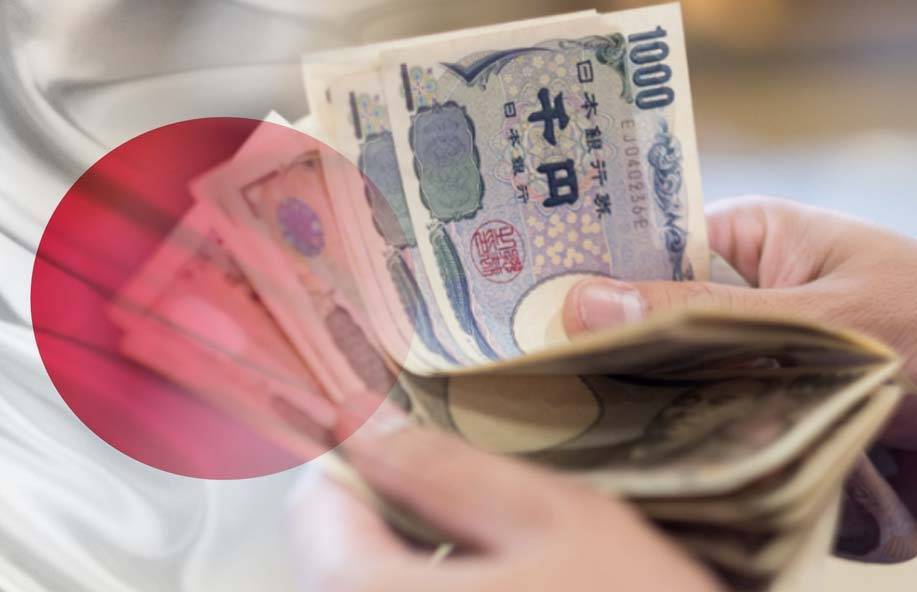
[A number of data point to the Japanese government’s intervention in the foreign exchange market after the “5 trillion” still depends on the United States] With the release of detailed trading data on Tuesday, the fact that the Japanese government intervened in the foreign exchange market on Monday was further confirmed. At the same time, doubts about the effectiveness of the intervention are growing.

Monday’s intervention in the currency markets was further confirmed with the release of detailed trading data on Tuesday. At the same time, doubts about the effectiveness of the intervention are growing.

As a backdrop, the dollar-yen exchange rate briefly broke through the 160 mark near noon in Tokyo on Monday before falling sharply to below the 155 mark by 1pm. For a major currency like the yen, a 3% swing in a single day is very rare and usually means something “big is happening.”

In terms of the effect of intervention, after dragging out a long upward and downward line on Monday, the yen exchange rate fell below the 157 mark on Tuesday, continuing to stand at its lowest level in nearly 34 years, and has depreciated nearly 12% year-to-date.

“5 trillion” level intervention
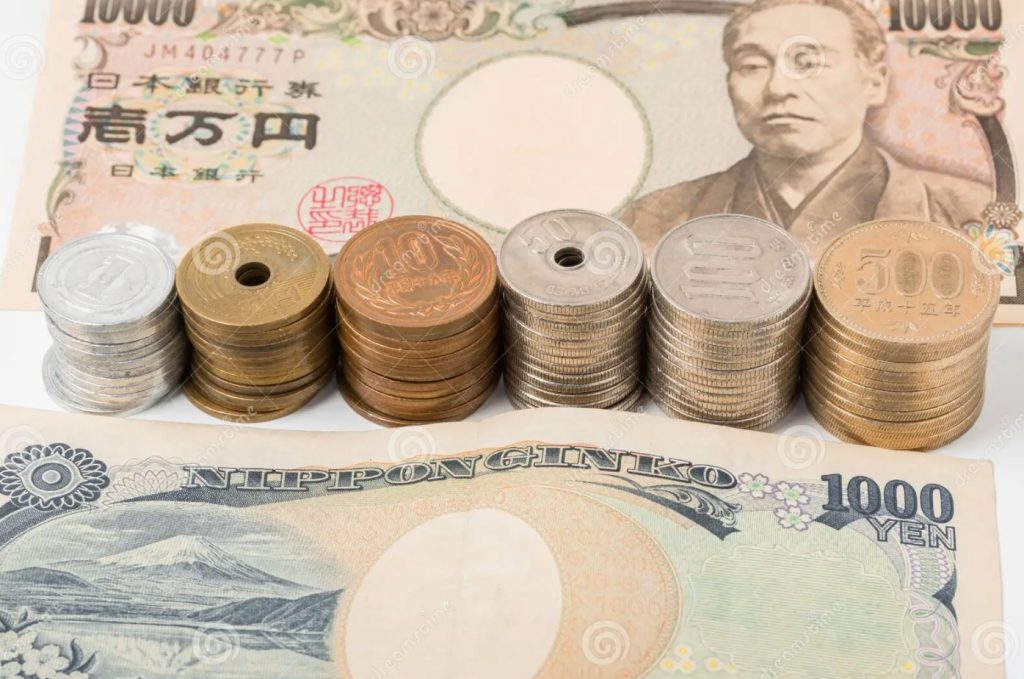
According to the Bank of Japan’s updated current account balance data on Tuesday, 7.56 trillion yen ($48.2 billion or 347.4 billion yuan) of liquidity will be drained from the financial system on May 1 due to “transactions with government departments.” Financial transactions are usually settled within two days, so this figure reflects trades made on a Monday.

Last week, money brokers predicted a liquidity drain of nearly 2 trillion yen on May 1. The forecast missed the actual number by as much as $5.5 trillion, indicating unexpected transactions such as money market intervention. The move was widely expected to be a move by the finance ministry to prevent a sharp depreciation of the yen when Japan is on holiday on Monday.

CME, the world’s largest foreign exchange market, also disclosed on Tuesday that more than $77bn of dollar-yen currency pairs were traded on its EBS platform on Monday, double the $31bn on Friday. Of that, $63.7 billion occurred during a period when the yen surged.

Mato Kanda, the deputy finance minister in charge of foreign exchange, continued to “decline to comment” on the currency intervention on Monday, but he also stressed to reporters that “the damage caused by sharp fluctuations in the exchange rate due to speculative activities is beyond our tolerance.”

Japan’s Ministry of Finance and central bank have always wanted to hide their intentions to intervene in the market as much as possible, aiming to make a surprise “attack” on speculative traders for the best effect. Coincidentally, the Ministry of Finance releases data on money market intervention every month, but monthly operational data for the period from April 26 to May 29 will not be released until May 31. The daily trading details are published quarterly.

For Japan, secrecy is also a necessary strategy for currency intervention. The country’s ability to intervene in markets depends on its dollar reserves, which stood at $1.3 trillion at the end of March. Therefore, if a very large amount of foreign reserves are spent to intervene in the market, it will also be negative for the yen.
FILE PHOTO: Japanese national flags flutter in front of buildings at Tokyo’s business district in Japan, February 22, 2016. REUTERS/Toru Hanai/File Photo

Next… It still depends on the United States

For the Japanese market, assuming Monday’s intervention does cost a whopping Y5.5 trillion, it may not be good. For comparison, in the last intervention between September and October 2022, the Ministry of Finance spent a total of 9.2 trillion yen in three operations.

As it stands, the intervention does buy the boj some breathing space, but the yen’s near 34-year lows suggest that significant depreciation pressures remain.

‘Assuming this was an intervention, I don’t think it was very effective, so the next one should be stronger,’ said Shoki Omori, chief trading desk strategist at Mizuho Securities.

Alvin Tan, head of Asian FX strategy at RBC Capital Markets in Singapore, also pointed out in a research note that Japan’s unilateral intervention failed to prevent the dollar from rising against the yen in September-to-October 2022. In the current situation, whether the yen exchange rate can make a decisive turn still depends on US interest rates.


Tags: Asia-PacificfinanceFinance and economicsglobalJapan
ShareTweetShare

Related Posts

Japan’s Slow but Steady Recovery: How an Aging Nation Is Searching for New Growth
Asia-Pacific

Japan and South Korea: Comparative Economic Analysis and Future Prospects

December 1, 2025
Japan’s Slow but Steady Recovery: How an Aging Nation Is Searching for New Growth
Asia-Pacific

South Korea’s Economy in Transition: Challenges, Opportunities, and the Path Ahead

December 1, 2025
Japan’s Slow but Steady Recovery: How an Aging Nation Is Searching for New Growth
Asia-Pacific

South Korea’s Economic Transformation: From Manufacturing to Technology and Services

December 1, 2025
Japan’s Slow but Steady Recovery: How an Aging Nation Is Searching for New Growth
Asia-Pacific

December 1, 2025
Japan’s Slow but Steady Recovery: How an Aging Nation Is Searching for New Growth
Asia-Pacific

Japan’s Slow but Steady Recovery: How an Aging Nation Is Searching for New Growth

December 1, 2025
Global

The Global Interest Rate Turning Point: How Central Banks Are Changing Their Policies

November 30, 2025
Load More
Leave Comment
  • Bitcoin on a rollercoaster ride The whole network more than 110,000 people exploded warehouse 2.9 billion yuan evaporation in 24 hours! What’s going on?

    Bitcoin on a rollercoaster ride The whole network more than 110,000 people exploded warehouse 2.9 billion yuan evaporation in 24 hours! What’s going on?

    0 shares
    Share 0 Tweet 0
  • There are always unconvinced want to try! The size of Nvidia’s short position is now comparable to Apple and Tesla combined

    0 shares
    Share 0 Tweet 0
  • The probability is about 75%! Will the G7 fall?

    0 shares
    Share 0 Tweet 0
  • A number of data point to the Japanese government intervention in the currency market after the “5 trillion” still depends on the United States

    0 shares
    Share 0 Tweet 0
  • How far can Tech stocks go to split on Fed expectations?

    0 shares
    Share 0 Tweet 0

Hot

The New Inflation Puzzle: Why Europe and the United States Are Struggling With Different Price Pressures

The New Economic Landscape of Europe and the United States: How 2025 is Reshaping Growth Models

December 3, 2025
The New Inflation Puzzle: Why Europe and the United States Are Struggling With Different Price Pressures

Transatlantic Trade Shifts: How Europe and the United States Are Redefining Economic Partnerships in 2025

December 3, 2025
The New Inflation Puzzle: Why Europe and the United States Are Struggling With Different Price Pressures

The Energy Transition Divide: How Europe and the United States Are Taking Different Paths Toward a Green Economy

December 3, 2025
The New Inflation Puzzle: Why Europe and the United States Are Struggling With Different Price Pressures

The New Workforce Challenge: How Europe and the United States Are Struggling With Talent Shortages and Productivity Slowdowns

December 3, 2025
The New Inflation Puzzle: Why Europe and the United States Are Struggling With Different Price Pressures

The New Inflation Puzzle: Why Europe and the United States Are Struggling With Different Price Pressures

December 3, 2025

The Social Foundations of Economic Stability: How France and Germany Are Managing Inequality, Welfare, and the Future of Work

December 2, 2025

The Energy Transition Challenge: How France and Germany Are Rebuilding Their Economic Power Through Green Transformation

December 2, 2025

France and Germany in a Shifting Global Economy: How Both Countries Are Rebuilding Their Competitiveness

December 2, 2025

Germany’s Economy at a Turning Point: Slow Growth, Industrial Pressure, and the Search for a New Future

December 2, 2025

France’s Economy in a Time of Slow Growth and Social Pressure

December 2, 2025
The New Inflation Puzzle: Why Europe and the United States Are Struggling With Different Price Pressures
Europe and America

The New Economic Landscape of Europe and the United States: How 2025 is Reshaping Growth Models

December 3, 2025
The New Inflation Puzzle: Why Europe and the United States Are Struggling With Different Price Pressures
Europe and America

Transatlantic Trade Shifts: How Europe and the United States Are Redefining Economic Partnerships in 2025

December 3, 2025
The New Inflation Puzzle: Why Europe and the United States Are Struggling With Different Price Pressures
Europe and America

The Energy Transition Divide: How Europe and the United States Are Taking Different Paths Toward a Green Economy

December 3, 2025
The New Inflation Puzzle: Why Europe and the United States Are Struggling With Different Price Pressures
Europe and America

The New Workforce Challenge: How Europe and the United States Are Struggling With Talent Shortages and Productivity Slowdowns

December 3, 2025
wealthtrend

WealthTrend, as the leading financial information service platform in the industry, provides comprehensive, timely and accurate financial information services for investors and financial practitioners by virtue of its deep industry background, clear service purpose and unique characteristics.

Copyright © 2025 Contact: [email protected]

No Result
View All Result
  • Home
  • Top News
  • Global
  • Asia-Pacific
  • Europe
  • viewpoint
  • America
  • Europe and America

Copyright © 2025 Contact: [email protected]

Welcome Back!

Login to your account below

Forgotten Password?

Retrieve your password

Please enter your username or email address to reset your password.

Log In